Heart disease is one of the most common yet overlooked health conditions in dogs. In many cases, heart problems develop silently before showing any visible symptoms. Therefore, identifying the early signs, understanding the underlying causes, exploring treatment options, and following essential prevention tips can help detect the condition early and support your dog’s health.
Continue reading to learn everything about heart disease in dogs, from initial signs to practical prevention tips that can help you maintain your dog’s overall well-being.
Understanding Heart Disease in Dogs
A dog’s heart is an essential organ that pumps oxygen-rich blood throughout the body. The heart consists of four primary components: the heart muscle, valves, pericardium, and electrical conduction system. When a dog develops heart disease, the heart’s ability to pump blood becomes impaired. This can lead to serious health complications if left untreated. Therefore, early detection and timely veterinary care are essential for supporting your dog’s long-term health.
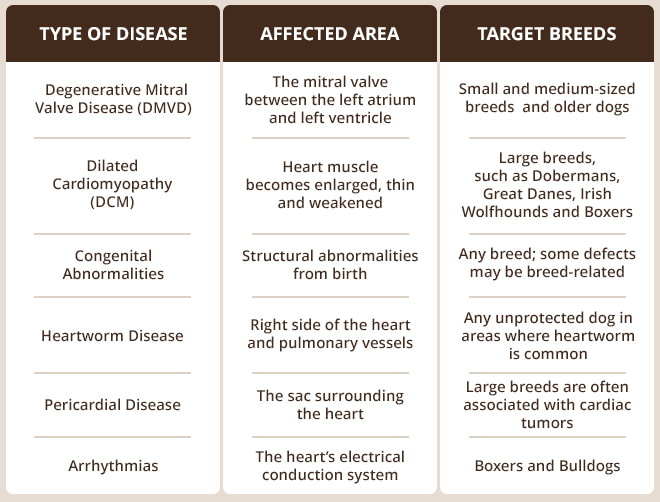
Common Types of Heart Diseases in Dogs
Early Signs of Heart Disease in Dogs
Early detection can help manage heart disease and may help improve your dog’s quality of life. Here are the common symptoms to watch for:
- Frequent coughing
- Breathing difficulty
- Diarrhea or vomiting
- Lethargy or weakness
- Weight loss
- Increased urination
- Exercise intolerance
- Abdominal swelling
- Behavioral changes
Common Causes of Heart Disease in Dogs
Take a look at the common causes that can lead to heart disease in dogs:
- Age-related changes
- Poor nutrition, such as taurine deficiency
- Genetic predisposition
- Hormonal disorders (hypothyroidism, Cushing’s disease)
- Congenital heart defects
- Chronic high blood pressure
- Infections, such as parvovirus
- Heart tumors
- Severe periodontal disease
Diagnosis of Heart Disease in Dogs
Veterinarians use several diagnostic tests to identify heart disease in dogs. Let’s have a look:
- Physical examination: A Physical Examination and auscultation (listening to the heart with a stethoscope) are typically the first steps in detecting heart murmurs in dogs caused by abnormal blood flow. This helps identify potential heart problems and assess the severity.
- Chest X-ray: Chest X-rays are a great way to evaluate heart size and detect fluid build-up in and around the lungs. Heart enlargement seen on X-rays may indicate disease progression.
- Electrocardiogram: An electrocardiogram (ECG) helps identify abnormal heart rhythms, including arrhythmias that may occur alongside structural heart disease.
- Echocardiogram: An Echocardiogram (heart ultrasound) is one of the most useful tools for diagnosing heart disease in dogs. It helps assess valve structure and function, measure heart chamber size, evaluate heart muscle strength and helps recognize structural abnormalities.
- Blood tests: Complete blood counts and biochemistry panels help evaluate overall heart health and organ function. Cardiac biomarkers, including NT-proBNP and troponin I, may provide information about cardiac stress and heart muscle injury.
Treatment Options for Heart Disease in Dogs
Treatment for heart disease typically depends on the underlying cause, severity of the condition and your dog’s overall health. This may include vet-recommended treatments, dietary changes, lifestyle changes and surgery, if required. There is no single treatment approach for all heart conditions; the veterinarian will create a tailored treatment plan depending on your dog’s specific requirements.
Preventing Heart Disease in Dogs
While not all heart diseases can be prevented, proactive care and management can help reduce the risk and help maintain your dog’s overall health:
- Administer heartworm preventives: Administer heartworm preventives year-round to keep your dog protected from heartworm disease. Common heartworm preventives for dogs include Heartgard Plus, Nuheart, Interceptor Plus and Simparica Trio for Dogs. Talk to your veterinarian for suitable treatment recommendations.
- Avoid exposure: Keep your dog away from the contaminated environments to reduce health risks.
- Provide a nutritious diet: Feed a wholesome and balanced diet with essential nutrients to boost immunity and support cardiovascular health.
- Encourage regular exercise: Regular, moderate exercise helps maintain a healthy weight and supports heart health. Activities such as walking, swimming, running, and hiking can be beneficial in improving heart health.
- Adopt from a reputable breeder: Always adopt a dog from a reputable breeder who regularly checks them for heart or genetic conditions.
- Schedule routine vet examinations: Annual or routine veterinary examinations can help detect potential health problems early and allow timely treatment.
Final Thoughts
Heart disease in dogs can be a critical and progressive condition, but early detection and appropriate management can improve your dog’s quality of life. Recognizing signs, scheduling regular veterinary visits and following preventive care recommendations can help support your dog’s heart health and overall quality of life.
Frequently Asked Questions (FAQs)
Q1. What are the initial signs of heart disease in dogs?
Ans. Early signs of heart disease in dogs include persistent coughing, difficulty breathing, reduced energy levels, exercise intolerance, abdominal swelling and changes in appetite.
Q2. What are some of the best heartworm preventives for dogs?
Ans. Heartgard Plus, Valuheart, Nuheart, and Interceptor are some of the popular and effective heartworm preventives for dogs.
Q3. How do veterinarians diagnose heart disease in dogs?
Ans. Veterinarians may use physical examinations, blood tests, X-rays, electrocardiograms (ECGs) and echocardiograms to diagnose heart disease in dogs.
Q4. Can indoor dogs get heartworm disease?
Ans. Heartworm disease is transmitted through mosquito bites. Mosquitoes can enter homes and infect indoor dogs. Although outdoor dogs are more susceptible due to higher risk of exposure, indoor dogs also need year-round heartworm prevention.